PageLM DeepSeek OCR2 Awesome Web Agents | Alternative AI Agent Tools
PageLM: Open-Source Alternative to NotebookLM
PageLM is another open-source alternative to Google NotebookLM, a rising star in the AI open-source community, serving as a powerful open-source replacement for Google’s NotebookLM.
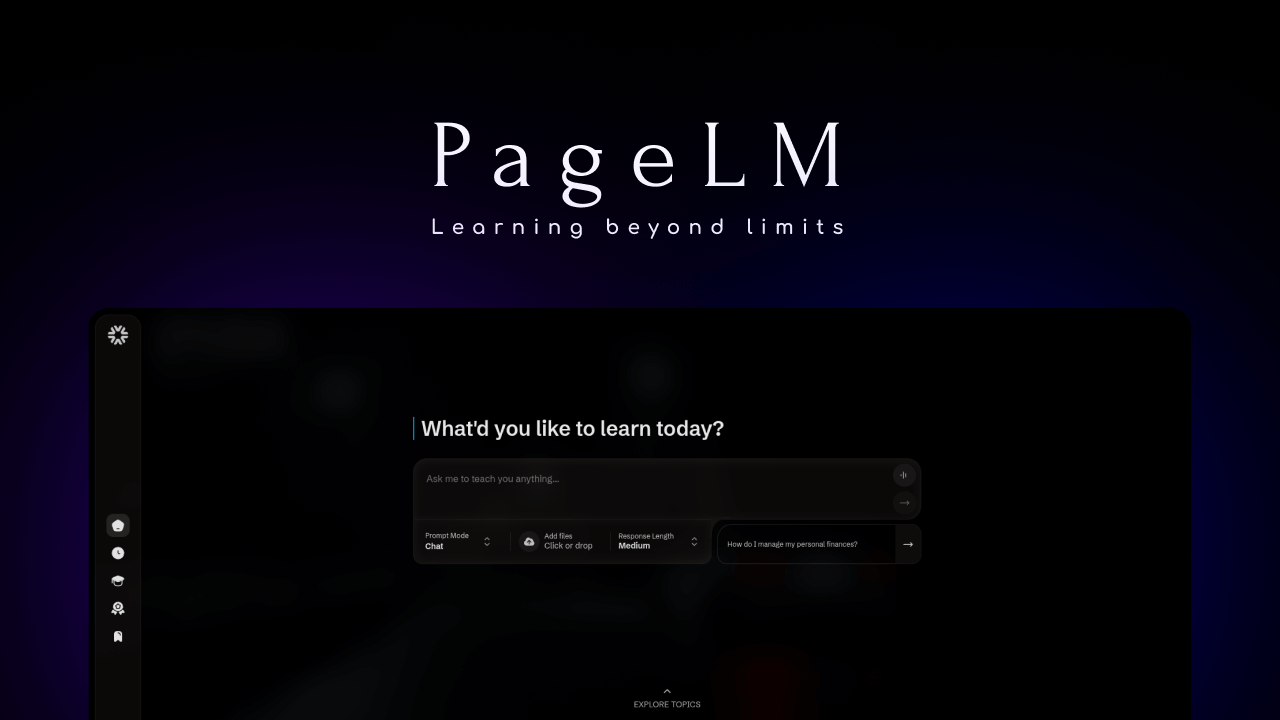
NotebookLM’s most popular feature is that you can throw a bunch of materials into it, and it can generate podcast dialogues, quizzes, or review cards. That’s exactly what PageLM does—feed it your learning materials, and it not only helps you organize key points but also transforms rigid text into interactive learning resources, a core advantage of open-source AI learning tools.
For example, if you upload a history courseware, it can directly generate several test questions for you in reverse, or convert key knowledge into Flashcards for easy memorization. Most importantly, unlike Google’s products that lock data in the cloud, you can deploy it yourself. For developers who care about privacy or want to modify features according to their own needs, this tool is much more flexible than the official NotebookLM, making it a top choice for privacy-focused AI deployment.
Open Source Address: https://github.com/CaviraOSS/pagelm
DeepSeek-OCR-2: Advanced OCR with Human-Like Visual Encoding
DeepSeek has dropped another game-changer in the OCR AI field. Previous OCR tools naively scanned images from left to right and top to bottom, often resulting in garbled characters when encountering newspaper layouts or complex tables.
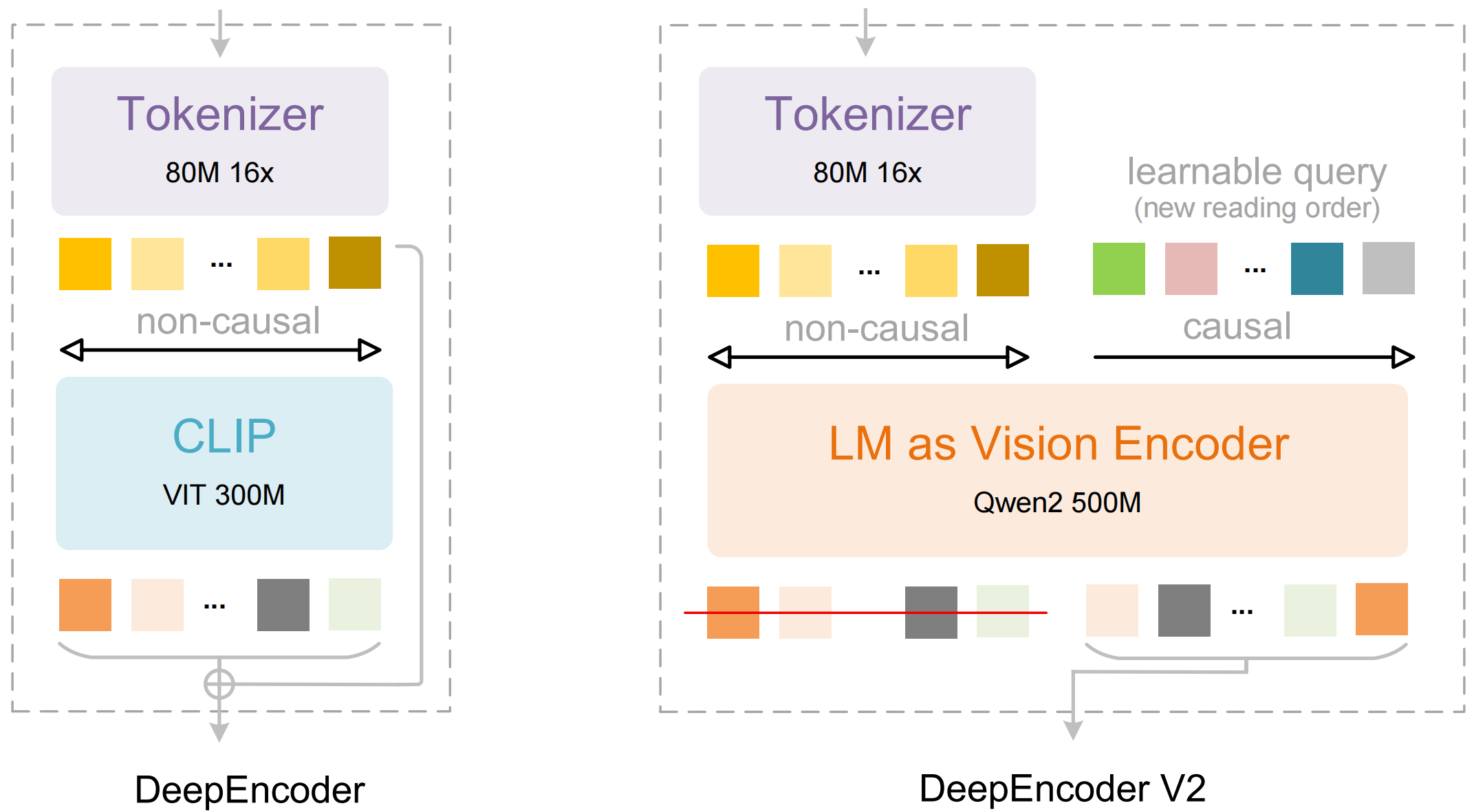
This new version from DeepSeek uses a technology called DeepEncoder V2, allowing the model to read logically like the human eye—distinguishing where titles are and where columns are. As they say: Explore more human-like visual encoding, a breakthrough in visual AI recognition.
What’s more, this model is extremely lightweight, with only 3B parameters, so it doesn’t require high-end hardware to run, but its performance is said to be better than many closed-source large models. It even directly uses a small language model (Qwen2-0.5B) as a visual encoder, a bold idea that enables the model to read images with understanding rather than just recognizing characters—a key innovation in lightweight AI models.
Open Source Address: https://github.com/deepseek-ai/DeepSeek-OCR-2
Awesome Web Agents: One-Stop Resource for AI Web Agent Development
Steel.dev itself focuses on AI browser infrastructure, specifically providing browser environments for AI Agents, a crucial part of the AI Agent ecosystem.

They have compiled all the best tools, frameworks, and papers they’ve seen in this circle into this list. If you want to build an AI Agent that can control browsers, automatically book tickets online, crawl data, or fill out forms, don’t search everywhere—just check this list, your go-to guide for Web Agent development.
It covers everything from underlying drivers like Puppeteer and Playwright to upper-layer frameworks like relevant modules in LangChain, and even the latest academic papers. It basically reveals all the essentials in the vertical field of Web Agents, making it an indispensable resource for AI Agent developers.
The biggest advantage of such a list is that it saves you time. Now AI Agents are developing so fast—one new framework comes out today, another new paper is published tomorrow, and it’s easy to fall behind.
Since the Steel team makes a living from this industry, the items selected are of high quality, with almost no padding. If you want to get into Web Agent development, starring this repository is a great starting point for your open-source AI journey.
Open Source Address: https://github.com/steel-dev/awesome-web-agents